
Understanding Anabolic Steroids: Uses, Risks, Side Effects & Safety Considerations
Anabolic steroids, also known as anabolic-androgenic steroids (AAS), are synthetic substances related to testosterone. Some anabolic steroids have legitimate medical applications and may be prescribed by qualified healthcare professionals for specific conditions. However, using anabolic steroids without appropriate medical supervision can carry significant health risks.
Understanding what anabolic steroids are, their medical uses, potential side effects, and important safety considerations can help readers make informed decisions and recognize why professional medical guidance is important.
What Are Anabolic Steroids?
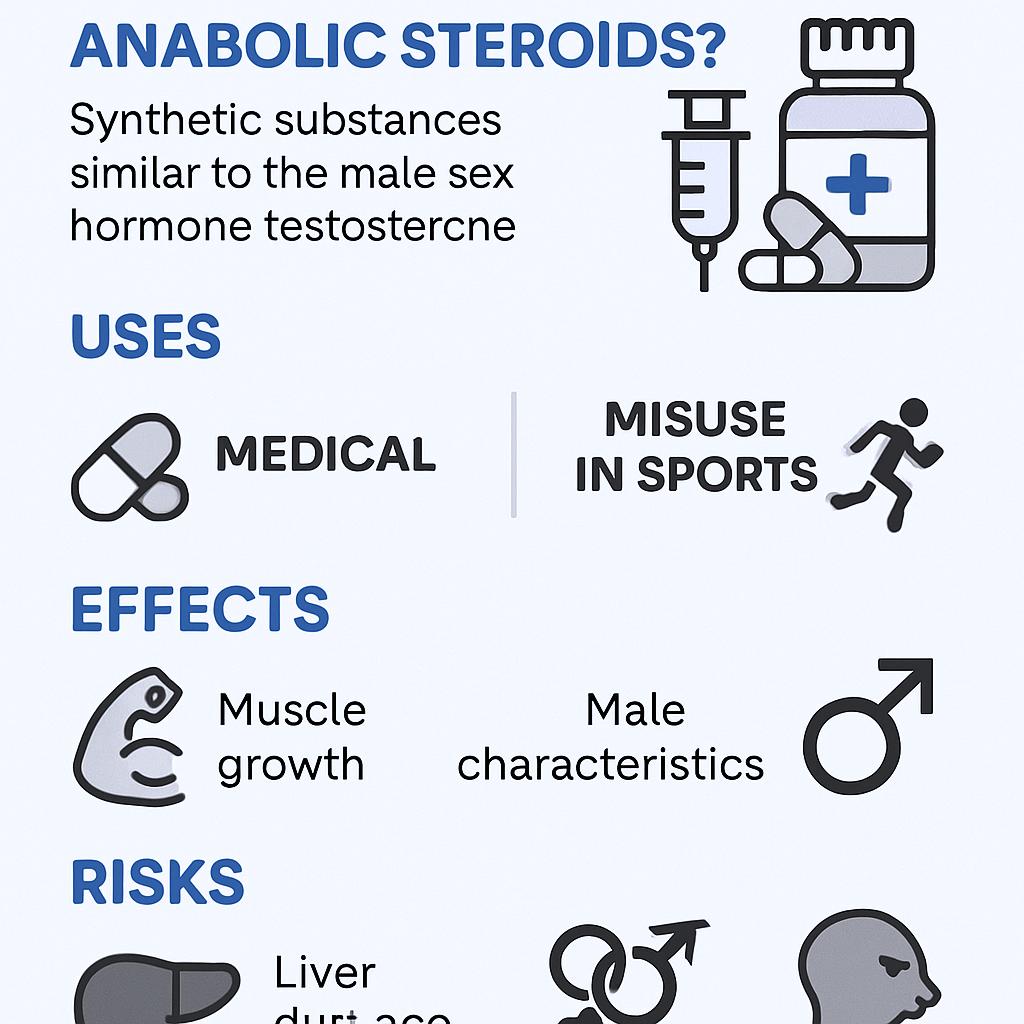
Anabolic-androgenic steroids (AAS) are synthetic compounds designed to produce effects similar to testosterone, the primary male sex hormone.
The term “anabolic” refers primarily to processes involved in tissue growth, while “androgenic” refers to the development and maintenance of male sex characteristics.
Depending on the specific medication, anabolic steroids can influence:
- Muscle and tissue growth
- Protein synthesis
- Red blood cell production
- Bone development
- Testosterone-related functions
Some anabolic steroids are available as prescription medications for specific medical conditions. Their effects and risks can vary considerably depending on the individual substance and the person’s health.
What Are Anabolic Steroids Used For?
Certain anabolic steroids have established medical uses. A healthcare professional may prescribe an appropriate medication when the potential benefits outweigh the risks.
Depending on the specific drug and medical circumstances, anabolic steroids may be used for conditions involving:
- Certain hormone deficiencies
- Delayed puberty in specific circumstances
- Muscle loss associated with particular illnesses
- Certain forms of anemia
- Other medically recognized conditions
Medical use should be based on an individual’s diagnosis, medical history, current medications, and professional evaluation.
How Do Anabolic Steroids Work?
Anabolic steroids interact with androgen receptors in various tissues throughout the body. These interactions can influence processes such as protein synthesis, muscle development, and the production of red blood cells.
Although anabolic steroids are related to testosterone, individual medications can differ in their potency, effects, metabolism, and potential adverse effects.
This is one reason why anabolic steroids should not be treated as interchangeable products. A medication appropriate for one medical condition may not be appropriate for another.
Potential Benefits of Medically Supervised Use
When an anabolic steroid is prescribed for an appropriate medical indication, treatment may provide benefits related to the condition being treated.
Potential therapeutic benefits depend on the specific medication and diagnosis and may include:
- Supporting treatment of certain hormone deficiencies
- Helping address clinically significant muscle loss in selected conditions
- Supporting red blood cell production in specific medical circumstances
- Contributing to treatment plans for certain diagnosed conditions
The goal of medically supervised treatment is to use an appropriate medication while carefully considering its potential benefits and risks.
Potential Risks and Side Effects of Anabolic Steroids
Anabolic steroids can cause adverse effects, particularly when they are used without medical supervision.
Potential risks may include:
- Increased blood pressure
- Changes in cholesterol levels
- Liver-related problems with certain anabolic steroids
- Acne and other skin changes
- Changes in mood or behavior
- Suppression of natural hormone production
- Changes in reproductive function
- Fertility problems
The potential effects can vary depending on the specific anabolic steroid, route of administration, duration of treatment, individual health factors, and other medications being used.
Some adverse effects may require medical evaluation, particularly when symptoms are severe, persistent, or unexpected.
Anabolic Steroids and Hormonal Health
Because anabolic steroids can affect the body’s natural hormonal system, their use may interfere with normal hormone production.
In some circumstances, this can result in changes involving:
- Testosterone production
- Reproductive function
- Fertility
- Sexual health
- Mood and energy levels
The extent and reversibility of hormonal effects can vary between individuals and medications. Anyone experiencing concerning hormonal or reproductive symptoms should discuss them with a qualified healthcare professional.
Why Medical Supervision Matters
Professional supervision is important because healthcare providers can assess whether a medication is appropriate and monitor for potential complications.
Before prescribing an anabolic steroid, a healthcare professional may consider factors such as:
- The underlying medical condition
- Medical and family history
- Existing health conditions
- Current medications
- Potential drug interactions
- Appropriate laboratory monitoring
- Potential benefits versus risks
Patients should also inform their healthcare provider about any other medications or substances they are taking.
Who Should Be Cautious About Anabolic Steroids?
Anabolic steroids may not be appropriate for everyone. Certain medical conditions and medications can increase the potential risks associated with treatment.
Anyone considering an anabolic steroid for a medical condition should first receive an appropriate medical evaluation. Self-diagnosing a hormone deficiency or using someone else’s prescription can create unnecessary health risks.
Frequently Asked Questions About Anabolic Steroids
What are anabolic steroids?
Anabolic steroids are synthetic substances related to testosterone that can produce anabolic and androgenic effects. Some are prescription medications used for specific medical conditions.
What are anabolic steroids used for medically?
Certain anabolic steroids may be prescribed for conditions such as specific hormone deficiencies, delayed puberty in selected cases, muscle loss associated with certain illnesses, and some forms of anemia.
Are anabolic steroids safe?
Safety depends on the specific medication, medical indication, individual health status, and appropriate monitoring. Using anabolic steroids without medical supervision can increase the risk of adverse effects.
What are the common side effects of anabolic steroids?
Potential side effects include changes in blood pressure and cholesterol, acne and other skin changes, hormonal disruption, mood changes, liver problems with certain medications, and fertility-related effects.
Can anabolic steroids affect hormones?
Yes. Anabolic steroids can interfere with the body’s natural hormone production and may affect reproductive and sexual health.
Should anabolic steroids be used without a prescription?
Anabolic steroids that are prescription medications should be used only under appropriate medical supervision. Using prescription medication without professional guidance can expose a person to unnecessary risks.
Final Thoughts
Anabolic steroids have legitimate medical applications, but they are not risk-free medications. Understanding their potential uses, effects, side effects, and limitations is important before making decisions about treatment.
If you believe you may have a condition that could require hormone-related treatment, speak with a qualified healthcare professional. A proper medical evaluation can help determine whether treatment is appropriate and which options may be suitable.
This article is provided for educational purposes only and does not constitute medical advice. Always consult a qualified healthcare professional regarding diagnosis, treatment, prescription medications, or changes to an existing treatment plan.

Dianabol 10mg (methandrostenolone)
- Product Name: Dbol (Dianabol)
- Active Ingredient: Methandrostenolone
- Strength: 10mg per tablet
- Quantity: 100 tablets per pack
- Dosage Form: Oral tablets